24
10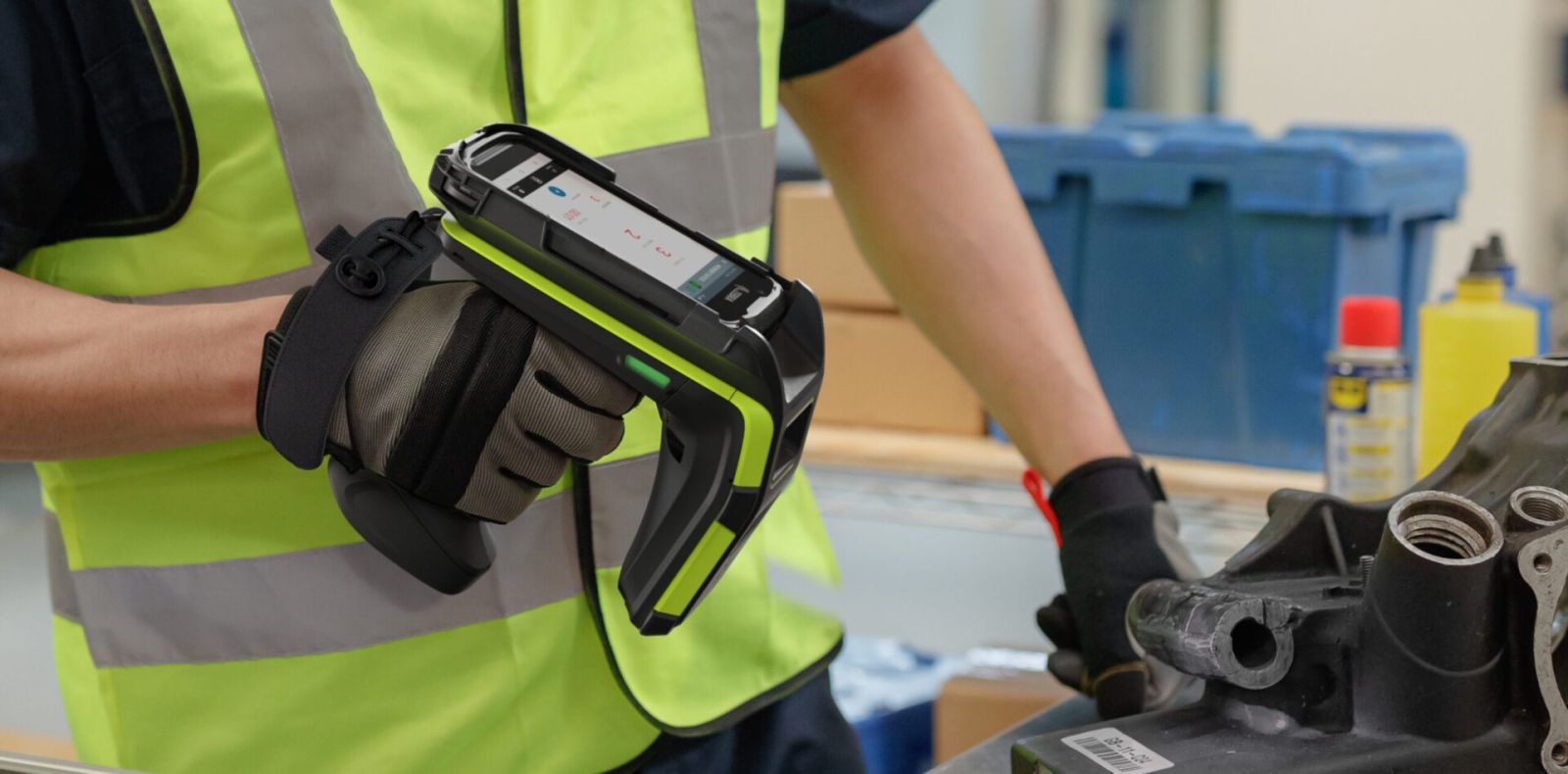
RFID technology: In contrast, implementing RFID technology requires higher initial costs due to the need for dedicated hardware and infrastructure. This includes RFID readers, antennas, and RFID tags. Furthermore, ongoing costs include tag replacement and system updates. Although the initial investment is higher, the long-term benefits of RFID can outweigh the costs, making it a worthwhile investment for certain applications.Triển khai:
Barcode scanners: Implementing a barcode system is generally straightforward and can be done relatively quickly. The process typically includes:
Selecting the appropriate barcode scanner based on specific requirements.
Creating and printing barcode labels.
Integrating the scanners with existing systems.
Barcode labels can be easily attached to items, making the entire process fast, simple, and cost-effective.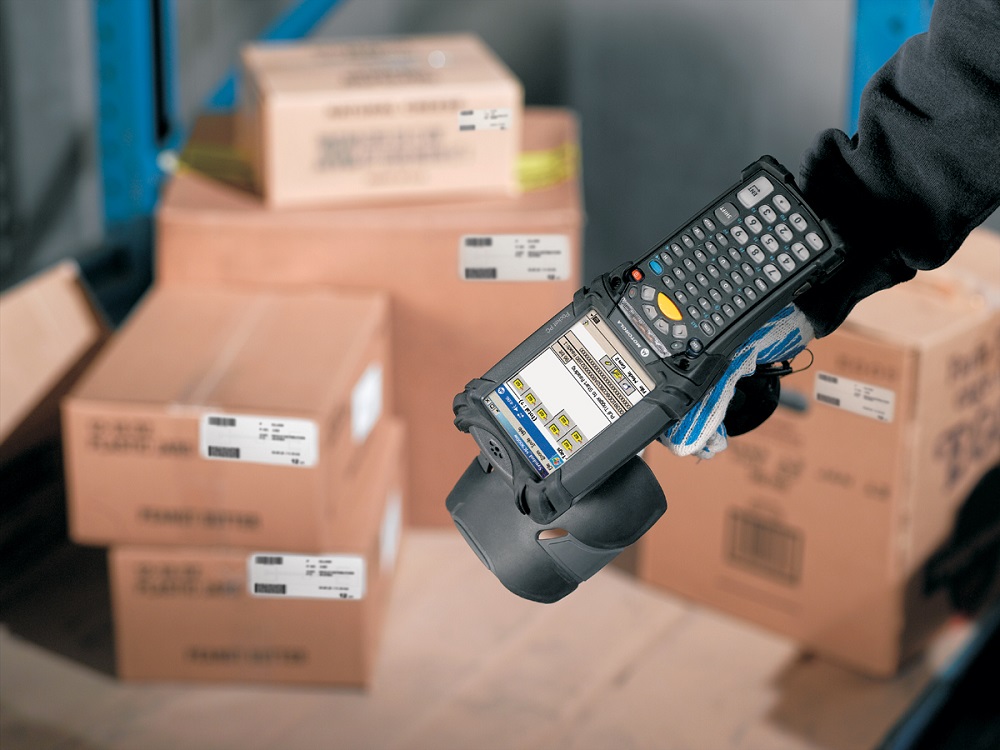
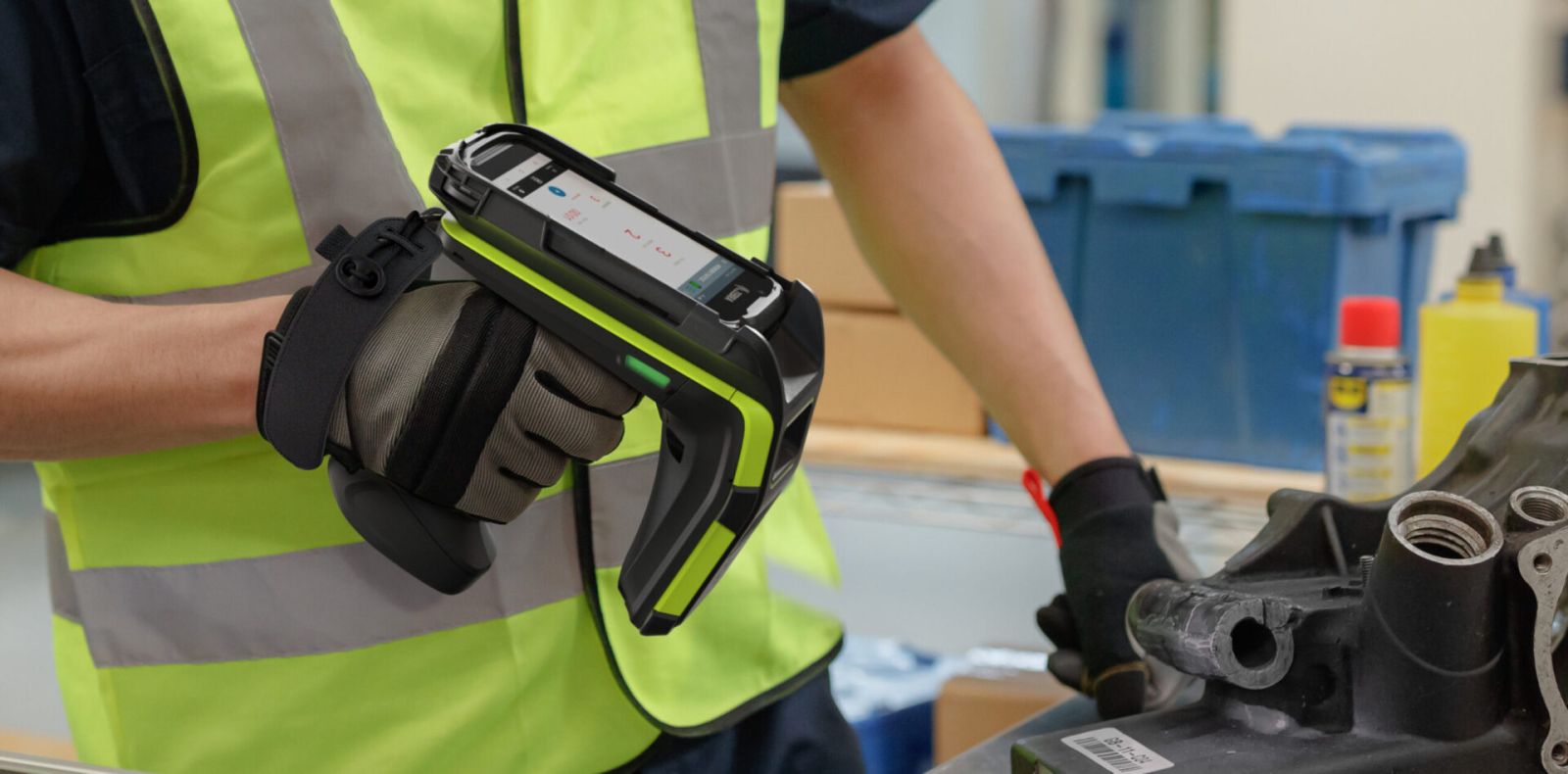
RFID technology: Implementing RFID is more complex and time-consuming. Successful deployment requires meticulous planning, especially when tracking a large volume of assets or items. Businesses need to:
Strategically deploy RFID readers.
Install antennas in optimal locations.
Attach RFID tags to each item.
Although the initial setup can be challenging, once established, RFID systems enable seamless and continuous data collection — significantly enhancing efficiency and accuracy.
Barcode scanners: Suitable for applications that require cost efficiency and simple data collection. They are commonly used in:
Retail environments
Warehouse management
Point-of-sale (POS) operations
Barcode scanners are highly effective when handling a limited number of items, offering simplicity, reliability, and ease of use.
RFID technology: Ideal for applications that demand fast and automated data collection, especially when managing a large volume of assets distributed across wide areas.
Industries such as logistics, supply chain management, healthcare, and asset tracking can greatly benefit from RFID’s capabilities. RFID provides real-time visibility, enabling businesses to manage inventory more efficiently while minimizing human error.
Both barcode scanners and RFID technology have their own advantages and application areas. When choosing between the two, it’s important to consider your specific operational needs and budget.
For applications that require higher efficiency, accuracy, and real-time tracking, RFID may be the preferred choice — despite the higher initial investment. Conversely, for simpler data collection needs or organizations with tighter budgets, barcode scanners remain a reliable and cost-effective solution.
To learn more about the wide range of barcode scanners and RFID technologies offered by RTC Technology Vietnam JSC, contact us today or call our hotline at 0981 264 068.

24
10Additionally, RFID tags can be programmed with custom information, such as details about a specific measuring point. For complex projects with hundreds of sensors, this capability significantly simplifies maintenance and reduces the risk of human error. This is not just an upgrade, but a fundamental step towards a future of safe, efficient, and fully connected industrial operations.

24
10Enhanced customer experience: The application of QR Codes and RFID can help increase customer engagement and engagement. For example, QR codes on product packaging allow quick access to detailed information, while RFID tags on products can support contactless payments, providing a convenient shopping experience.

24
10The transition from presumptive taxation to declaration-based taxation marks an inevitable step toward a more transparent and equitable economy. However, to ensure that this journey leaves no one behind, the tax authorities and related agencies must develop communication and guidance strategies that are consistent, detailed, and accessible. The success of any policy lies not only in its formulation but also in how effectively it is implemented — and in gaining the understanding and support of those who are directly affected by it.